It's in the Water:
How eDNA Helps Us Find Species We Can’t See
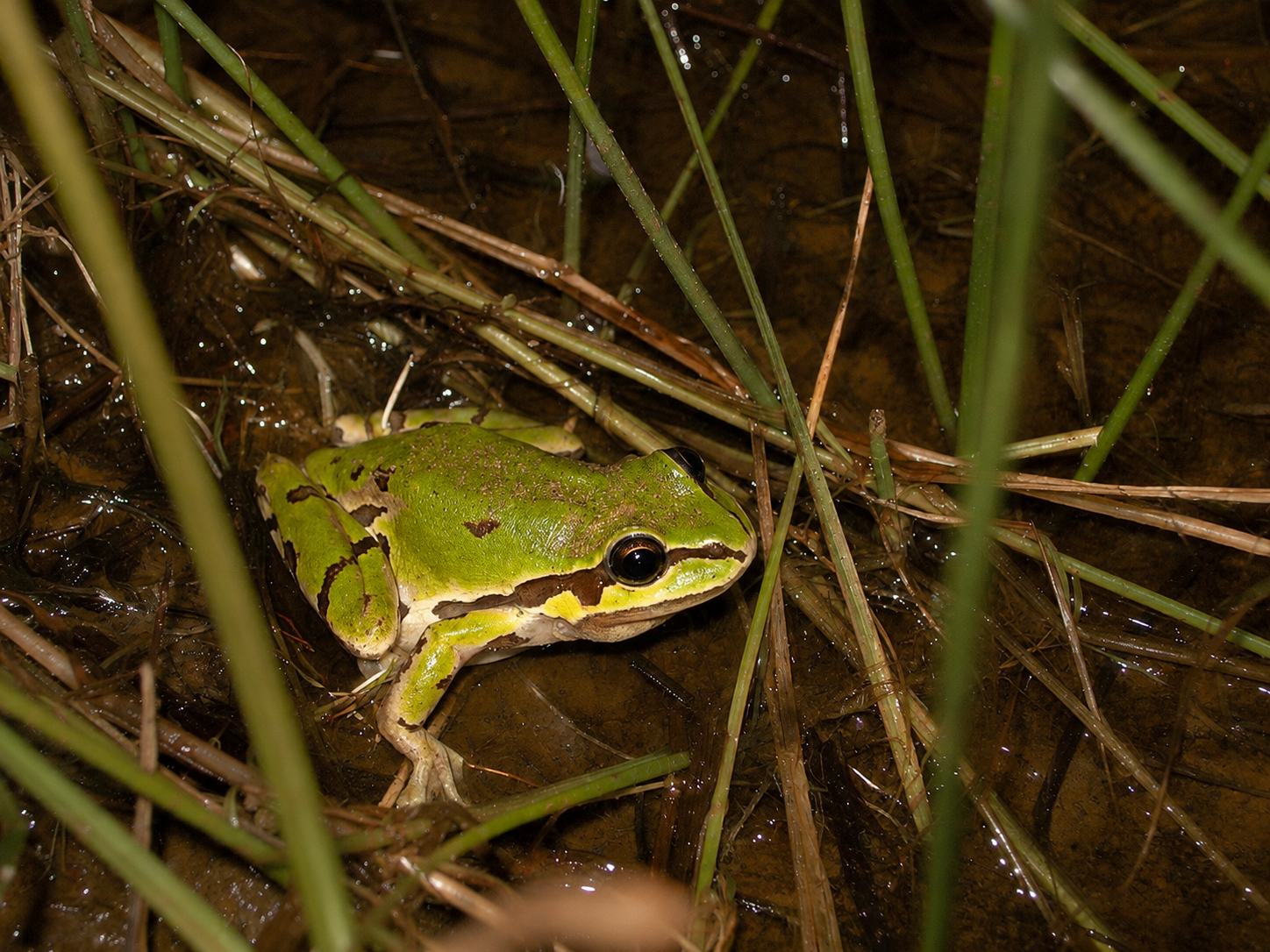
Before we can protect a rare species, we have to find it – and that’s often easier said than done. A frog that calls on only a handful of rainy nights. A salamander that spends most of its life hidden in the mud. A fish that vanishes at the first ripple. Tracking them down takes skilled biologists, long and uncomfortable days and nights in the field, and years of hard-won experience.
In ponds, lakes, streams, and oceans, there’s now another way to look – and it starts with a sample of water.
Genetic flotsam
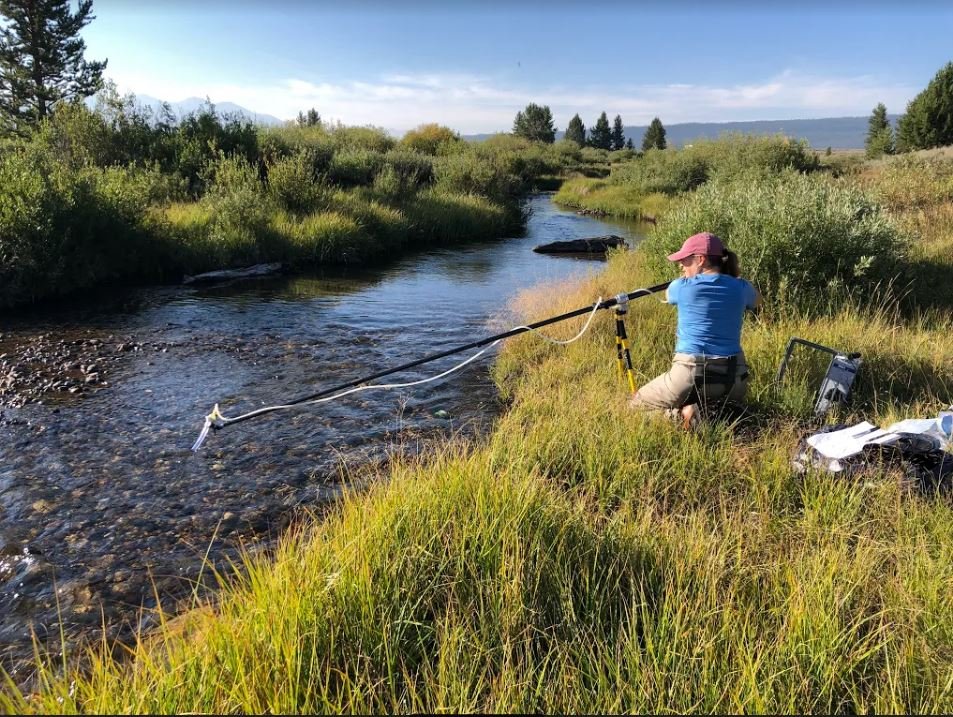
Every animal that swims, crawls, or breeds in the water leaves a genetic trail. Shed skin cells and waste release its DNA, known as environmental DNA or eDNA, which can linger for days or weeks after the animal has moved on. By testing a small water sample for one species' DNA, researchers can tell whether that species has been there recently – a genetic footprint left in the water.

No nets, no traps, no handling: a single water sample can reveal whether a species has been there – without ever having to see, hear, or capture it.
Why it matters
eDNA has the potential to make monitoring rare species faster, cheaper, and more effective. In some systems, it picks up species that field surveys miss – though it works best alongside traditional surveys, not always in place of them. Sampling the water instead of searching for the animals can:
• Save time: shorten field search time.
• Protect animals: eliminate stress to sensitive species.
• Protect habitat: minimize disturbance of sensitive habitats.
• Ease permitting: potentially simplify permits for federally protected species.
• Find more from less: identify multiple species from a single water sample, including pathogens and other ecologically important microorganisms.
• Tell look-alikes apart: distinguish species that can't be identified by eye, such as fairy shrimp.
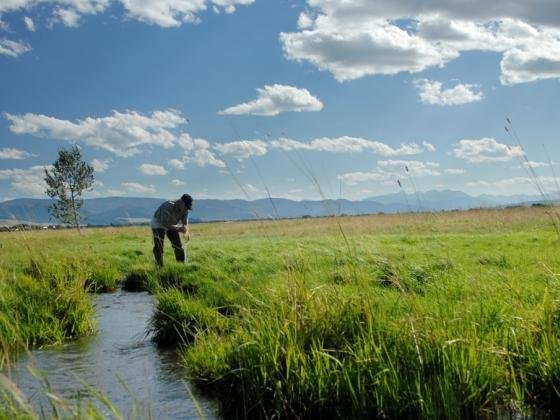
Where a species is scarce, eDNA can often find it faster, and more reliably, than searching for the animal itself.
Putting eDNA to the test on DoD lands
eDNA had already been used to detect species in a wide range of waters, but no one had put it to work systematically for at-risk species. With support from DoD's Legacy Resource Management Program and the Environmental Security Technology Certification, researchers at Washington State University (WSU) set out to change that, testing eDNA as a way to find at-risk species, and the threats they face, on DoD installations. The goal: field and lab protocols ready for use across DoD lands and beyond.
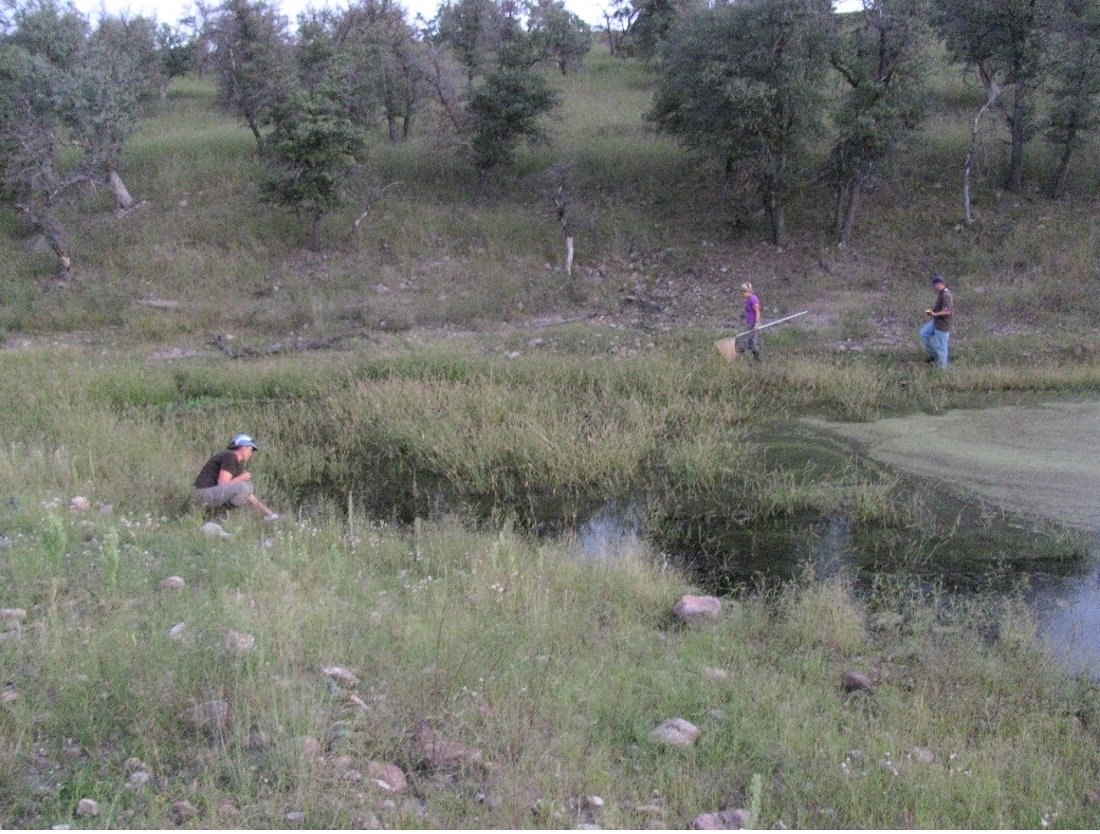
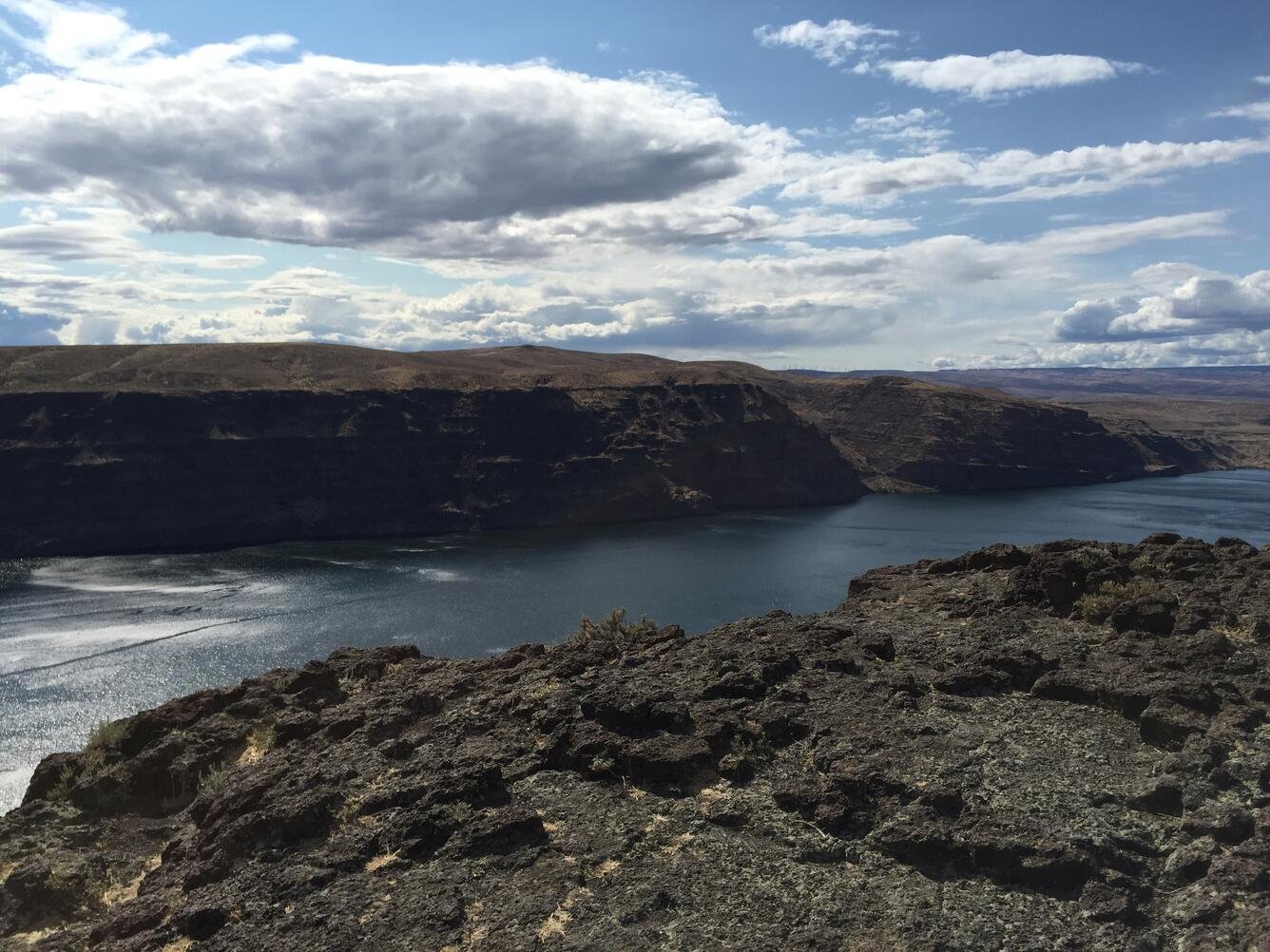
From the grasslands of Fort Huachuca, AZ, to the shrub-steppe of Yakima Training Center, WA, to the longleaf pine forests of Eglin AFB, FL, the team developed eDNA tests for eight at-risk species of frogs, salamanders, snakes, and fish. The same water samples also screened for the threats those species face: invasive American bullfrogs, barred tiger salamanders, and brook trout, plus two deadly amphibian diseases, chytrid fungus (Bd) and ranavirus. To see how eDNA measured up, the researchers worked side by side with biologists surveying for the same species.
What the water told us
The verdict: eDNA detection rates were generally very high, though they varied from species to species, and ecosystem to ecosystem. That variation carries a lesson. A general protocol is a strong starting point, but every species and every system needs its own fine-tuning. For any eDNA monitoring program, that means two first steps:
1. Know what drives detection. Identify the factors that affect the likelihood of detecting each species, and use them to design the most efficient sampling method.
2. Pair it with field surveys. Determine how eDNA sampling can complement existing field protocols to maximize detections.
From “gee-whiz” to field-ready
You can't protect what you can't find. Knowing where aquatic species live lets managers care for populations and habitats while keeping military training on track. eDNA gives them a new way to follow at-risk species, and the invaders and diseases that threaten them. DoD has helped move eDNA from the “gee-whiz” stage to a powerful, tested technique – one that lets managers monitor aquatic life efficiently, reliably, and without disturbing the very species they are trying to protect.